 EN
EN

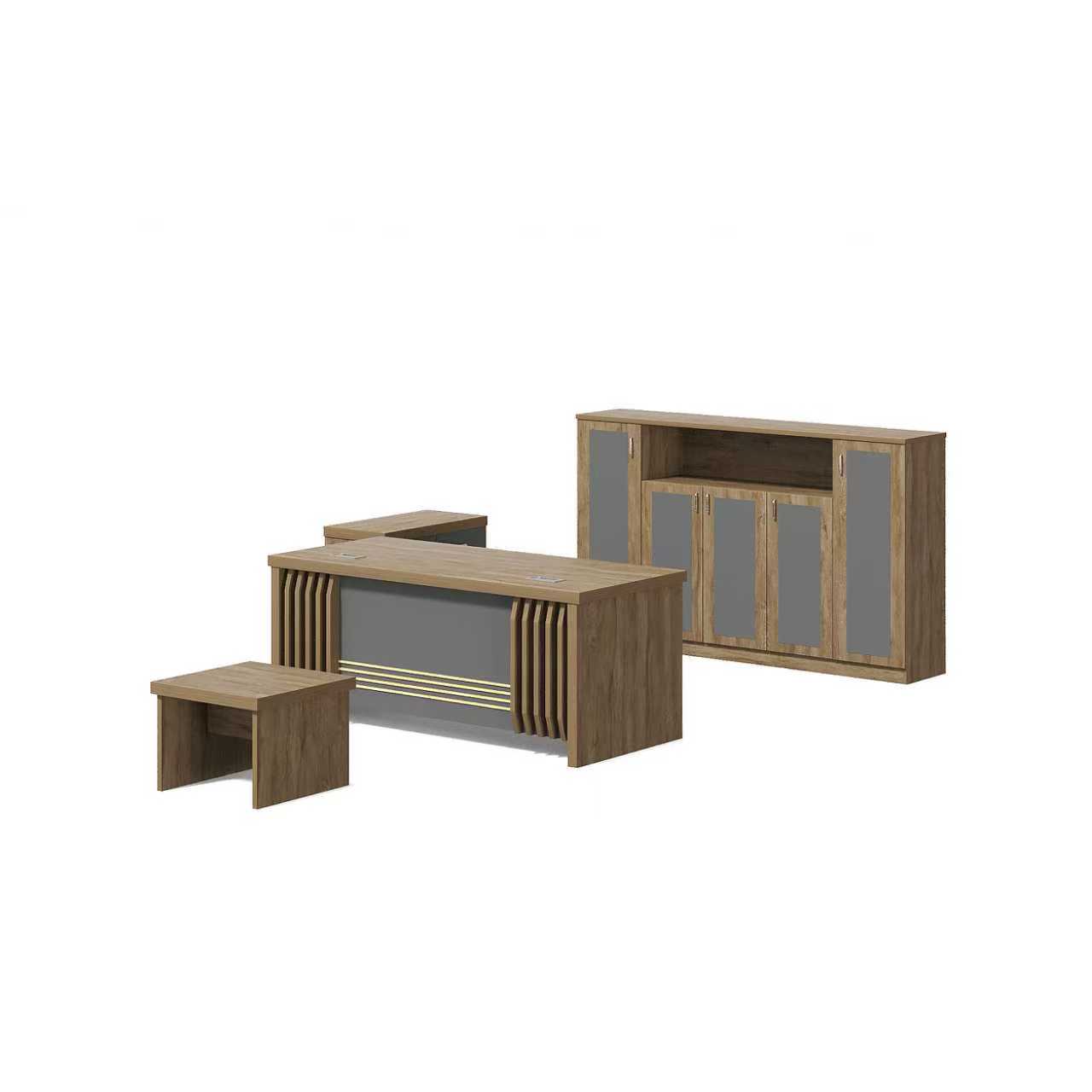
Executive offices in fashion businesses may combine desk work with sample reviews, planning meetings and conversations with partners. The furniture brief should reflect those activities and the room available. The aim is to choose desk, meeting and storage arrangements that support the business’s daily work.
Map the activities before choosing furniture
Identify how much of the room is needed for computer work, reviewing physical samples and meeting with colleagues or visitors. Note the number of people involved in each activity. A room used for two-person discussions may need a different arrangement from one that regularly hosts a larger review.
Record any materials or samples that must be spread out on a surface. Their size can affect the amount of usable table space required. Keep routine desk work and shared review tasks distinct in the brief so the furniture can be compared against actual needs.
Coordinate desks, tables and storage
Review executive office furniture in the context of a measured floor plan. Confirm the complete dimensions of a desk and side-storage combination, including its orientation. Check access to doors, windows and existing building services.
If reviews need a separate surface, consider the available meeting table options. The number of participants, the materials being reviewed and circulation around the table should guide the selection. Do not assume that a larger table will suit the room better.
List the items that need storage, such as documents, presentation materials and samples. Compare office storage by its internal layout and dimensions. Specialized sample storage may require a separate solution; confirm suitability instead of treating a standard file cabinet as appropriate for every item.
Use a clear finish and visual brief
A fashion business may want its office to reflect a particular visual identity. Share finish references and explain which elements need to coordinate. Screen images and photographs can help communicate an intention, but they should not be treated as final color approval. Ask how the selected finish and material will be identified in the quotation.
Distinguish required furniture from decorative elements shown in reference images. Lighting, artwork, loose accessories and seating may be separate procurement items. This avoids assuming that a complete photographed setting is included with a desk.
Prepare the enquiry for review
- Provide the measured room plan and required quantities.
- Describe desk work, sample-review and meeting activities.
- List the selected furniture references and storage requirements.
- Clarify finish preferences, orientation and optional accessories.
- Ask the supplier to confirm the offered configuration and commercial terms.
Contact BG Office Furniture with these details to discuss suitable catalogue items. Confirm specifications, supplied components and the agreed scope before placing an order.