 EN

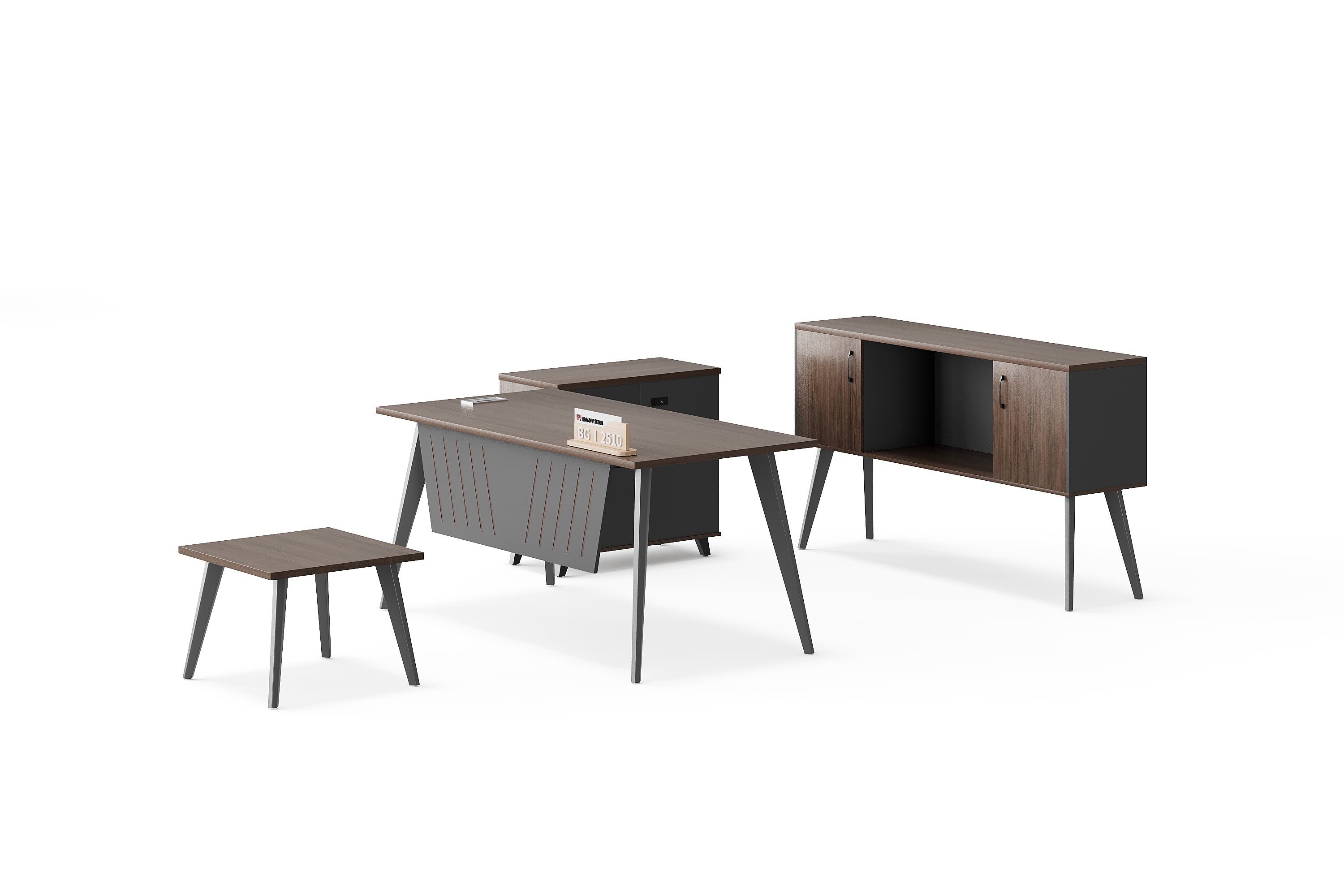
When a dealer wants to replenish a previously purchased desk or cabinet, send the earlier order reference together with a new item list. Separate what was supplied last time, what you want now and what the supplier confirms for the new enquiry. “Same as the last order” does not establish current availability, an unchanged configuration or the terms of a new quotation.
The useful starting point is the furniture actually received. An early catalogue selection may differ from the configuration finally agreed, so retain the accepted item description and any documented changes made before supply.
Start with the last supplied configuration
Identify the previous purchase order or invoice line, full supplier model, finish reference and included components. Add a photograph or labelled reference from the received furniture when it helps identify the item. Keep your internal stock code alongside the supplier model rather than replacing it.
If the earlier record identifies BG-2510A, retain that complete reference. The separate BG-2580A page is a different catalogue starting point, not evidence of an interchangeable replacement. A current photograph alone also cannot prove that a finish or component matches an earlier delivery.
Mark any missing old detail as unknown. A packing label may help locate a shipment, but it need not describe every part of the furniture. Where the previous documents disagree, ask which description records the final supplied configuration before using it as the repeat-order reference.
State what this replenishment needs
Give the quantity and purchase unit for each requested model, plus the destination for the new enquiry. State whether you need the complete previous configuration or only selected items. A desk previously bought with a side unit should not silently become a desk-only line, or vice versa.
Distinguish additions to an existing display from stock intended for separate resale. If the new furniture must sit beside pieces from the earlier delivery, identify the surfaces or details that need comparison. Ask what current finish references or other evidence can be provided; do not assume that a familiar finish name establishes an exact match.
Ask for an explicit current response
Send a short comparison record with the old reference, your present request and a space for the supplier's response. Ask the supplier to identify any difference in the proposed model, finish, components or other agreed specification. “Available” without that scope leaves the purchasing team unsure what is being offered.
- Unchanged request: identify the previous supplied description you want to repeat and ask whether that configuration is currently available.
- Requested change: state the exact detail you want changed while keeping the previous version visible for comparison.
- Proposed alternative: keep its full reference on a separate line until you have reviewed the differences.
- Unresolved detail: name the question and supporting information still needed before confirming the line.
Request a current quotation for the stated quantities and configuration, including confirmation of applicable commercial terms. Do not carry forward an old price, minimum quantity, packing arrangement or dispatch expectation as though it applies automatically. These are questions for the new response.
If a supplier introduces a replacement code, use the model-reference comparison guide to record the relationship. Keep that identity decision separate from acceptance of the proposed finish, contents and quotation.
Keep the new agreement beside the old record
Once the details are confirmed, retain the new quotation and dated configuration response with the previous order reference. Mark which differences you accepted and which questions remain open. Update the dealer's listing or stock description only for the version it actually represents; do not overwrite the earlier supply record with a newly offered alternative.
Repeat-order questions
Can I send only the previous invoice?
It is a useful reference, but add the new quantities, destination and intended configuration. If the invoice has only a short item description, include the supporting record of the furniture supplied.
Does the same model number guarantee the same finish?
No such match should be assumed from the number alone. Identify the earlier finish reference and ask how it compares with the finish currently proposed, particularly when the pieces will be displayed together.
What if the previous version is no longer offered?
Ask for an identified alternative and a clear explanation of the differences. Keep the alternative provisional until you have reviewed it; a replacement suggestion is not confirmation that it meets the earlier specification.
Should I change the old order record after accepting an alternative?
Retain the old record as the history of what was supplied. Add the new version and the accepted differences so later replenishment enquiries can refer to the correct furniture.
Send BG your repeat-order enquiry with the previous reference, the requested model quantities and the details that must match or change. Ask for a response against that list before confirming the new purchase.