 EN

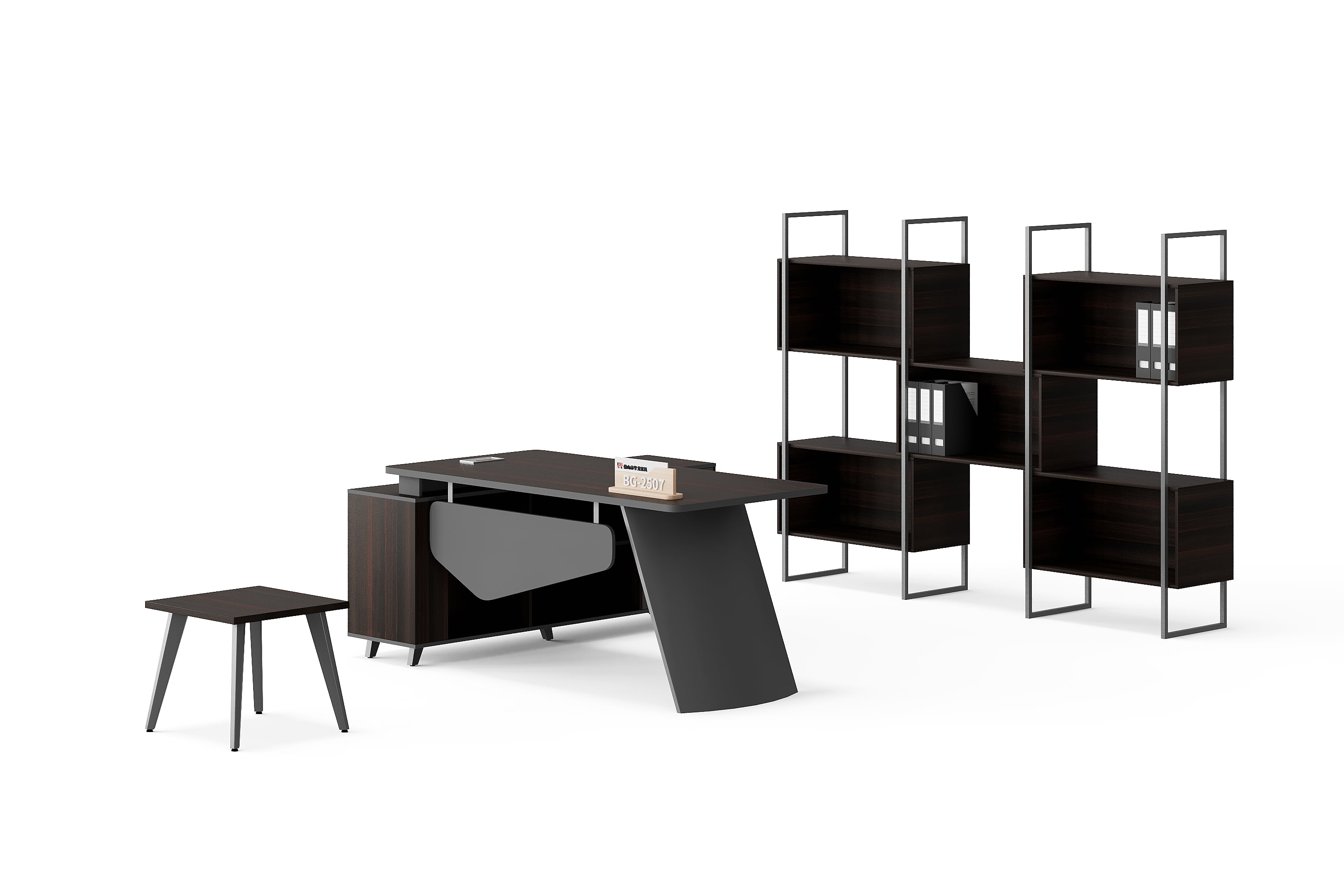
When a supplier proposes a different desk or cabinet from the one in your enquiry, ask for the proposed model and a written list of differences before selecting it. Keep the original request visible. A replacement suggestion is not evidence that the furniture has the same dimensions, included components, finish or suitability for your customers.
For an importer or dealer, the useful output is a decision against the affected quotation line: accept the described alternative, reject it, or request specific missing information. Avoid a general “alternative approved” message that leaves the model and scope unclear.
Identify what is being replaced
Record your enquiry line, the original full model and configuration, and the alternative reference exactly as supplied. Ask whether the proposal concerns the whole item, one component, a finish or a different combination of units. Add the supplier's stated reason for the proposal without assuming that it establishes current availability or a delivery date.
For example, BG-2507LA and BG-2525 are separate catalogue references. Their product pages can identify furniture for discussion; they do not establish that one is an interchangeable substitute for the other. If the uncertainty is whether two labels identify the same furniture, first resolve that through the model-reference comparison record.
Compare the details that affect resale
Start with the requirements that led you to shortlist the original item. A cabinet selected for particular stored objects needs a comparison of the relevant internal arrangement and dimensions. A desk selected for a particular side-unit arrangement needs confirmation of that arrangement. A similar front photograph does not answer either question.
Ask for the same type of evidence for both versions where comparison matters. Keep confirmed measurements in their stated units, finish references beside their source images, and included components in explicit lists. Mark a missing answer as unresolved. Do not copy a specification from the original model into the alternative's column merely to complete the comparison.
The Netherlands Chamber of Commerce quotation guide calls for a clear product description, including identifiers and relevant specifications, alongside quantity and its unit. For a substitution review, that helps keep the changed furniture identifiable when the quotation is revised.
Use a short difference record
One record can travel with the supplier's proposal and your review. Include the following information for each affected line:
- Original requirement: the model, configuration and buyer requirement being compared.
- Proposed alternative: its full reference and the exact furniture or component offered.
- Difference and evidence: what changes, the supporting drawing, image or written answer, and any unanswered detail.
- Effect on the quotation: revised unit, quantity, included items and the commercial conditions requiring confirmation.
- Buyer's decision: accepted as described, rejected, or pending a named clarification; record the reviewer and date.
Separate appearance from function in the review. Accepting a different finish does not also accept a change in storage arrangement. Likewise, a lower quoted price does not establish that an alternative meets the original requirement. Ask for a separate response where the proposal introduces more than one change.
Return a decision that matches the order line
State which alternative and which quantities your decision covers. If only part of the requested quantity will use the replacement, identify that part separately. Keep rejected options out of the selected item total, while retaining them in the review history so that later messages cannot be mistaken for an order instruction.
Ask for the selected reference and accepted differences to appear in the revised quotation. The International Trade Administration's pro forma invoice guidance lists the quoted items, unit and extended prices, shipping estimate and validity date as distinct information. Check the revised document against the agreed choice; an earlier price or timing statement should not silently carry over to different furniture.
Questions about proposed substitutes
Does a different model number always mean a different product?
Not necessarily. Ask the supplier to explain the relationship between the references. A confirmed identity mapping and acceptance of a changed configuration are separate decisions.
Can I approve an alternative from photographs alone?
Photographs may answer appearance questions. Request appropriate evidence for dimensions, contents and other requirements that cannot be established from those images.
What if the alternative meets only some requirements?
Identify the gaps and decide whether they need clarification, a different proposal or rejection. Do not record full acceptance when a requirement affecting the purchase remains unresolved.
Should an accepted substitute replace my old stock description?
Keep the original version's record. Give the accepted version an accurate description and retain the relationship between them, so your sales team can identify which furniture a quotation or stock record represents.
Send BG the model comparison with your original enquiry line, proposed alternative and questions that affect the choice. Request confirmation against those points before finalising the selected furniture.