 EN

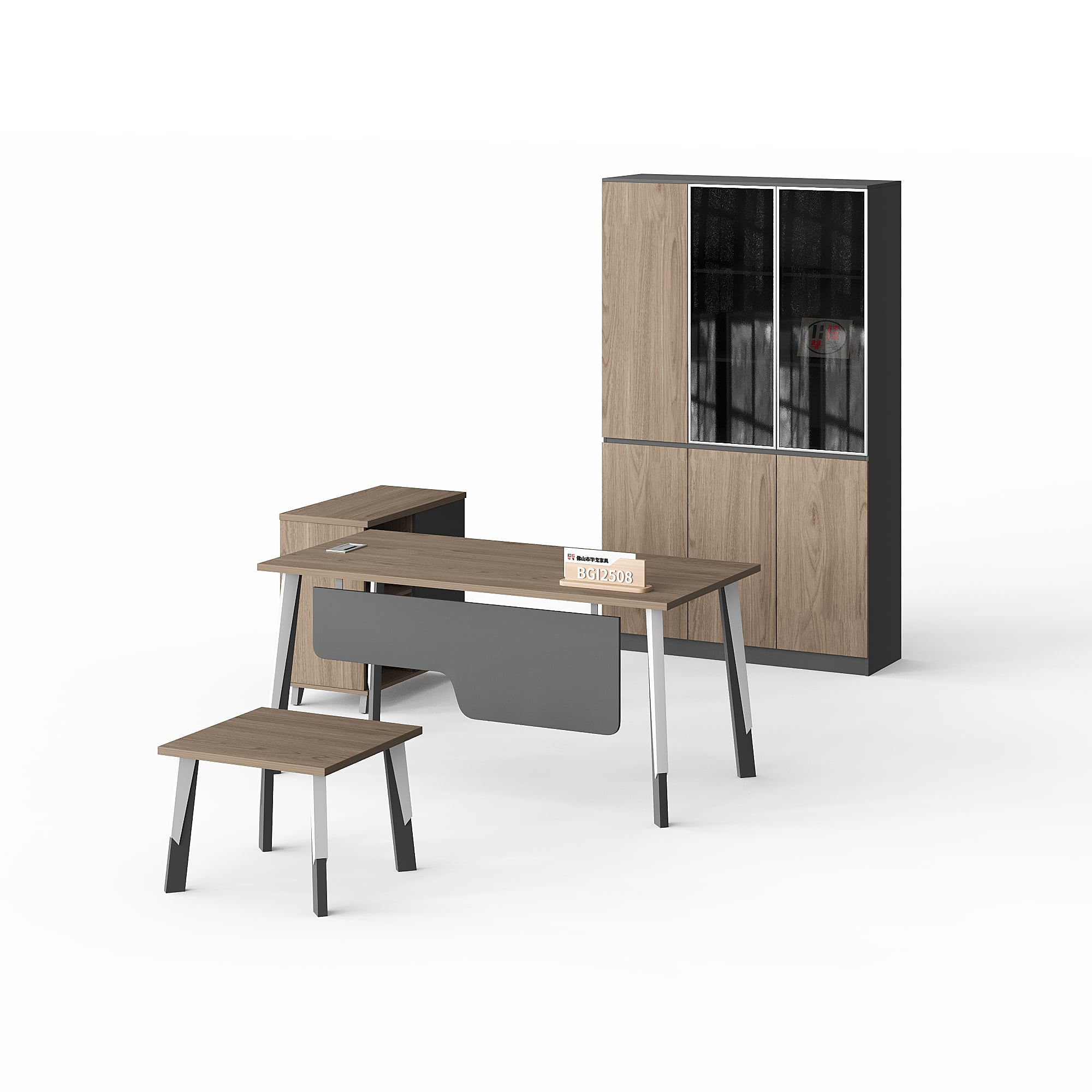
To check a mixed-model furniture order against a packing list, reconcile each ordered model and configuration in its purchase unit, then trace it to the listed packages. A matching carton total is not enough: several cartons may belong to one furniture item, while a shared package may contain components for several items.
For an importer or dealer, the useful result is a line-by-line record of what the supplier identifies for this shipment, what differs from the accepted order and what still needs an explanation. This is a document-review method, not a BG packing specification or a record of an actual shipment.
Choose the order and shipment you are checking
Keep the accepted order, its confirmed changes and the packing-list revision together. Ask whether the list describes the whole order or one shipment from it. A list for a partial shipment cannot be checked against the full order total without identifying the balance separately.
Use the full model and configuration reference on each line. For example, BG-2508 and BG-2532LA are separate desk references. Their catalogue scenes do not establish the ordered components or package counts. Where a model appears in several confirmed finishes or arrangements, retain those distinctions in the shipment review.
Keep furniture quantities and package quantities in separate columns
Copy the ordered quantity and its defined unit from the accepted order. Then ask the supplier to identify the quantity represented on the packing list using the same purchase unit. Record carton or other package counts separately. Do not divide a carton total by an assumed number of boxes per desk.
The International Trade Administration's packing-list guidance describes package contents, weights and measurements as packing-list information. These fields help identify the shipment; they do not, on their own, explain how a group of component packages becomes a complete ordered furniture unit.
Use a review row for each order line, with these fields:
- Order reference: line, model, configuration and confirmed finish.
- Ordered amount: quantity and defined purchase unit.
- This shipment: supplier-confirmed furniture quantity in that same unit.
- Packing references: relevant list lines and package identifiers, with their described contents.
- Difference: the unresolved question or confirmed balance, linked to the supplier's reply.
Resolve shared packages and split furniture items
If one desk is listed across several component packages, keep those package references attached to the same ordered item. Ask which components make up the complete configuration. Counting every package as another desk would overstate the furniture quantity.
If a hardware package serves several order lines, ask for its contents and allocation. Reference that package wherever needed in the item review, but count the physical package only once in the shipment package total. A repeated reference is not necessarily a second package; an unexplained duplicate still needs clarification.
Keep separately ordered spare parts distinguishable from parts included in the furniture configuration. Do not count a spare panel as another complete desk, or assume every unallocated component is a spare. The supplier should identify the purpose of any line that does not map clearly to the accepted order.
Return differences without silently changing the order
Send the specific order line, packing-list revision and package reference with each question. Describe whether the issue is an unexplained quantity, a different model or configuration, an unallocated component, or an unclear shipment balance. Ask for an identifiable correction or explanation rather than editing the supplier's list to make the totals agree.
The Canadian Trade Commissioner Service's documentation checklist includes checking packing-list item quantities against the sales contract or order confirmation. For this furniture review, keep the supplier's response with the affected line so the agreed quantity basis remains traceable.
For a partial shipment, retain the quantity assigned to this shipment and the outstanding quantity separately. If earlier shipments are involved, use their identified records before calculating the remaining balance. An unexplained difference is not evidence that a later delivery has been arranged.
Questions about mixed-model packing lists
Does the correct total number of cartons prove the order is complete?
No. Check the model, configuration and contents associated with those cartons. A package total can agree while the allocation between ordered items remains unclear.
Can the same package reference appear against several furniture lines?
It may identify a shared package. Ask the supplier to explain its contents and allocation, and avoid counting the same physical package more than once in the package total.
What if the packing list uses pieces while the order uses sets?
Ask what each unit means and request the component-to-set relationship for the confirmed configuration. Keep the conversion unresolved until it is supported by the supplier's explanation.
Does an agreed packing list confirm what arrived?
It provides a document to check against. Actual receipt, visible condition and completeness require their own records. Use the carton-label guide to trace observed labels without treating a label match as a contents inspection.
Send BG your packing-list questions with the accepted order reference, the list revision and the affected lines. Request clarification of quantities and package contents before marking the document comparison complete.