 EN
EN

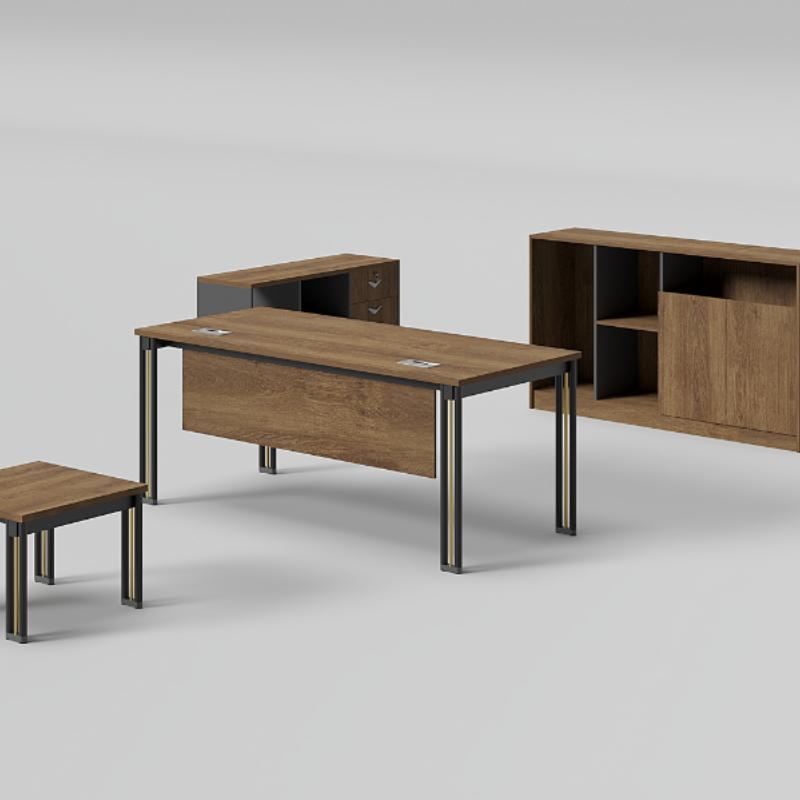
A custom executive office furniture brief should explain what needs to change and why. A preferred appearance alone is not enough to confirm a design. Start with a reference desk and storage arrangement, then describe the room, required functions and requested differences. The supplier can use that information to confirm which options are available for the selected model.
Choose a reference design
Use the BG executive office desks and storage category to identify a starting point. Record the product page, model reference and image used in the brief. Keep the original image alongside any annotated copy so that the reference remains traceable.
List the furniture being considered separately. A desk, side cabinet, rear storage unit and small meeting table may be separate items even when they appear in one photograph. Confirm the supply scope instead of treating every object in a room image as part of one set.
Describe the requested changes
Write each request as a specific question about the chosen model. For example, ask whether a different overall dimension, storage arrangement or finish is available. Explain the reason for the request, such as a fixed wall position or a particular document-storage need.
A requested change is not an approved product specification. Ask the supplier to identify any limits, alternatives and additional information needed before treating the design as confirmed. Do not infer that every catalogue item can be changed in the same way.
Confirm room fit and finish references
Provide a measured room plan showing doors, windows, columns and fixed equipment. Mark the intended desk position and the spaces needed to approach storage or open drawers. Keep room measurements separate from the furniture dimensions awaiting supplier confirmation.
Use an agreed finish reference when appearance matters. A screen image can help communicate a preference, but it does not establish the material, surface specification or an exact colour match. Record the accepted sample or finish code when available and ask which items it applies to.
Keep a written design approval record
Ask for a drawing or specification that identifies the model, confirmed changes, included components and revision. Check that it reflects the requested arrangement before approval. Keep the approved version with the quotation so the purchasing team can compare the same scope across documents.
For several offices, identify which rooms share one configuration and which need a separate reference. Record the quantity against each confirmed version, rather than relying on a general description such as “matching executive furniture.”
Confirm commercial and service terms separately
Request the delivery schedule, delivery location and any assembly or installation responsibilities in the quotation. Treat these as order-specific terms to be confirmed. A design article does not establish a guaranteed delivery date, an on-site visit or an installation service.
A clear brief connects the reference design, requested changes and approval documents. It helps the buyer compare what is actually proposed without assuming unlisted materials, included items or services.