 EN

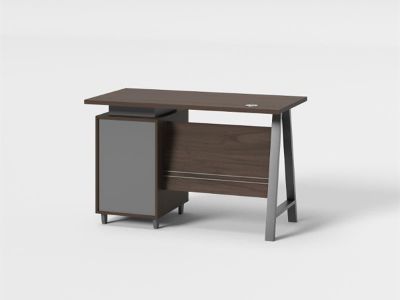
A manager’s office can take inspiration from prominent business leaders while reflecting the needs of the person who will use it. A large desk, coordinated storage or a formal meeting area may look impressive, but each choice needs a practical reason. Turn design references into a clear furniture brief before comparing products or requesting quotations.
1. Start with the manager’s daily work
List the activities the room must support: individual desk work, document review, short discussions or scheduled meetings. Record the equipment used at the desk and the types of files or personal items that need storage. Identify which items must remain close to hand and which can be stored elsewhere.
Include the number of visitors expected at one time and how often they attend. A separate meeting area is a project choice to assess against the room, not a feature every manager’s office needs.
2. Make design references specific
When saving an office photograph, note what you like about it. That might be the desk shape, a coordinated storage arrangement or the relationship between open and enclosed areas. Mark these preferences individually so a supplier can respond to them.
Provide a measured room plan with door openings, windows, fixed services and furniture that will stay. Ask for the proposed furniture dimensions and layout to be checked against that plan. Reference images do not establish dimensions, available finishes or the contents of a supply package.
3. Separate furniture from equipment and services
Browse BG Office Furniture’s manager office desks and storage to select relevant furniture references. Record the product page and the exact configuration you want the supplier to review. Ask which desk, side-table and storage components are included in the proposal.
List chairs, computers, lighting, electrical equipment and installation as separate requirements, with the responsible supplier or contractor identified for each. A furniture image or cable opening does not establish that electronic equipment, seating or installation is included. Request written confirmation for any additional item or service.
4. Compare itemised quotations
Give suppliers the same room information, product references and quantities. Ask each quotation to identify the proposed model, configuration, finish, supplied components and optional items. Record unresolved specifications as questions before comparing prices.
Check the currency, price basis, packing, delivery destination and any separately quoted services. Confirm current minimum quantities and timing for the selected order. A wholesale label alone does not establish quality, a saving or a particular delivery arrangement; compare the documented scope and terms.
5. Keep the agreed proposal clear
Use a dated drawing or configuration reference to record the selected desk and storage arrangement. Keep approved finish references, dimensions, included items and exclusions with the quotation. If the room or furniture requirement changes, ask for an updated proposal and identify which revision is being considered.
For a manager’s office inspired by a distinctive design, the useful outcome is a room-specific specification that the project team and suppliers can understand. Confirm the actual products and responsibilities before placing an order; the appearance of an office alone cannot promise business success or improved productivity.