 EN
EN

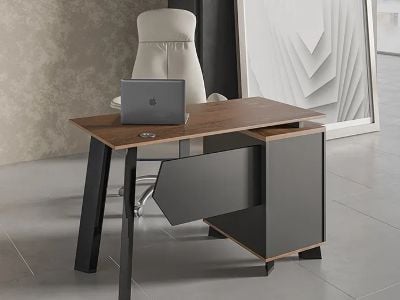
Staff offices in technology businesses often need to accommodate focused individual work, team discussions and changing project groups. A useful furniture brief starts with those activities and the space available. The planning process should translate the team’s work patterns into a clear furniture specification.
Start with work activities and headcount
Record the number of people expected to use the office, how often they attend and which teams need to work near one another. Separate permanent desk requirements from shared work areas. If the team expects to grow, identify where additional workstations could fit before choosing a layout.
Describe the equipment used at each desk, such as monitors, laptops and document trays. Ask users what must remain within reach and what can move into shared storage. These details help buyers compare desk configurations without assuming that every role needs the same setup.
Coordinate workstations and shared spaces
Review workstation configurations alongside the room plan. Show doors, columns, windows and circulation routes. Check the proposed furniture dimensions against the available space and confirm that drawers and cabinet doors can open.
Give project discussions an appropriate location. A separate meeting table may suit scheduled group reviews, while smaller discussions may need a different arrangement. Decide how the space will be used before selecting the table size or shape.
Plan storage and equipment access
Identify which documents, samples and personal items need storage. Compare file cabinets and office storage by the contents they must hold, their dimensions and access requirements. Do not assume that a pictured cabinet includes a lock or a particular internal arrangement; confirm the quoted configuration.
Coordinate cable routes and power access with the people responsible for the building and IT equipment. Furniture selection does not by itself confirm electrical capacity, network performance or the inclusion of sockets and chargers. List any requested cable openings or accessories separately in the quotation brief.
Prepare a clear furniture enquiry
- Attach a room plan with dimensions and the required desk quantities.
- List the furniture models or reference images under consideration.
- Specify storage needs, preferred finishes and any left- or right-hand configurations.
- Separate required items from optional accessories.
- State the destination and requested schedule, then ask the supplier to confirm availability and terms.
Browse the staff office range or contact BG Office Furniture with the brief. Product specifications, supplied components, packing and delivery terms should be confirmed for the selected items before an order is agreed.