 EN
EN

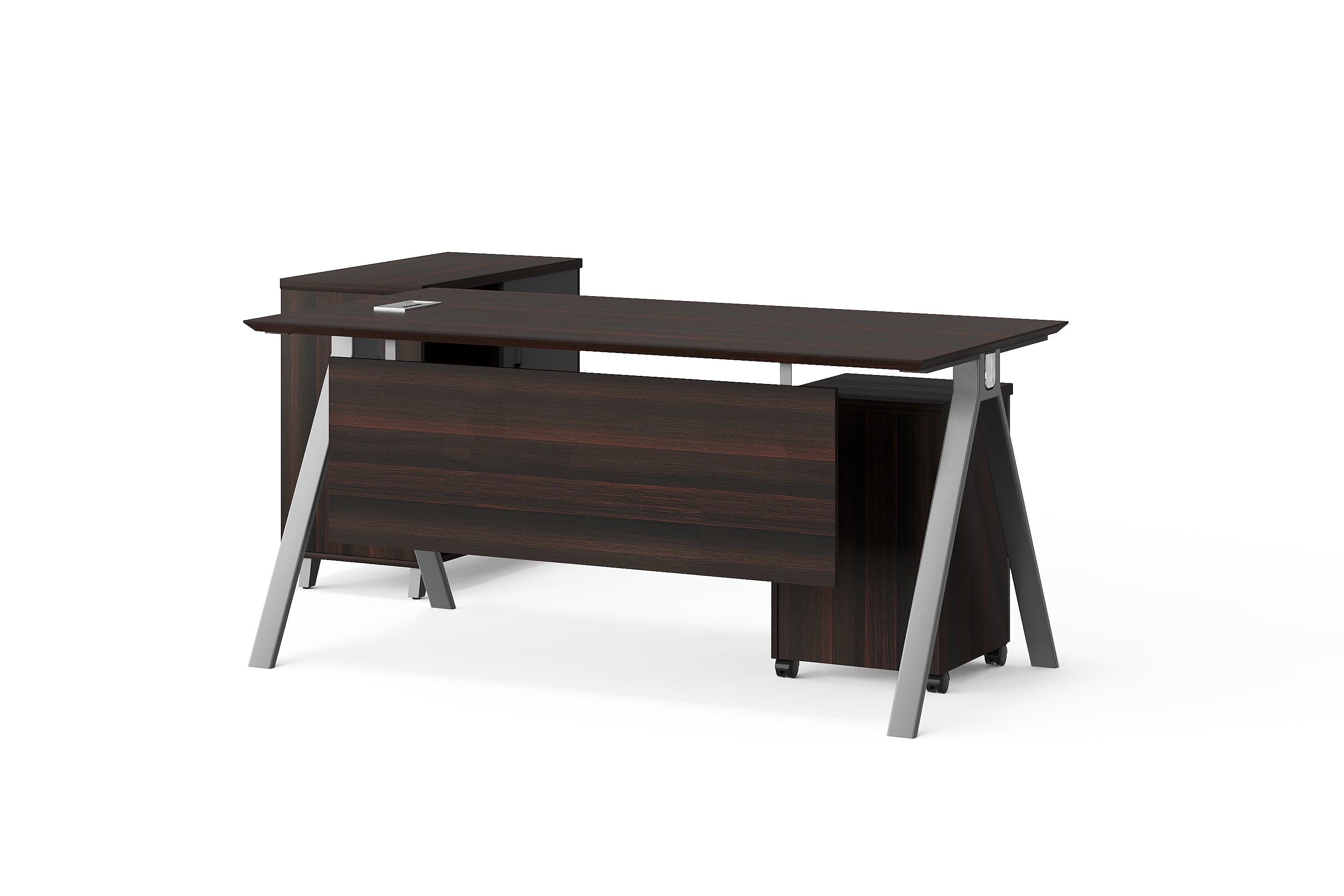
When an importer or dealer receives a furniture sample, “looks good” leaves too much unanswered. Which configuration arrived? What was actually examined? Which questions remain open? A useful review record connects the received unit to the proposed purchase and limits each conclusion to the work performed. It does not establish that every future unit will be identical, or that performance and safety requirements have been verified.
1. Decide what this review is meant to answer
List the buying questions before recording results. You might need to compare the appearance with an agreed finish reference, check a specified overall measurement, or confirm the arrangement of visible storage sections. Give each question its own reference and result. If the agreed drawing, measurement method or comparison reference is missing, record that gap instead of inventing an acceptance limit.
Use the model-specific evidence checklist to gather missing information. Receiving a document and examining a physical unit are separate steps; note which one has actually occurred.
2. Identify the unit you actually received
Assign a review reference and record the receiving date, reviewer, supplier model, selected configuration and any available unit or package identifier. Keep the relevant quotation or drawing revision with it. Identify separately supplied storage pieces rather than treating a desk photograph as a list of included items.
A catalogue page such as BG-2609 gives a model reference for an enquiry. It is not evidence of the contents of a particular sample delivery. Describe the actual items received and note any difference from the configuration being considered.
3. Keep the review questions and results together
Use the following fields for each review question. This is a blank buyer record, not a completed BG sample report. Separate records let an appearance decision remain clear even when a different question still needs an answer.
| Record field | What to enter |
|---|---|
| Unit and reference | Review ID, received model/configuration and the relevant quotation or drawing revision. |
| Question and basis | The exact question, comparison reference and any method agreed for that question. |
| Review context | Date, reviewer, condition of the unit and what was accessible for review. |
| Observed result | A specific observation or measurement, with units where relevant and a linked photograph. |
| Not checked | Features, inaccessible areas or requirements not examined; missing information that limits the result. |
| Conclusion and follow-up | What this question confirmed, what remains unresolved, who should respond and the next review point. |
4. Separate an observation from its interpretation
Write what you saw or measured before giving your conclusion. For an agreed measurement, identify the points used and the recorded unit; a number without those details can be difficult to compare. For appearance, identify the surface and reference used. A photograph can show where an observation was made without proving a material composition or performance claim.
Keep a finish-sample comparison within its own scope. Reviewing one surface does not establish every part of the furniture specification. Similarly, if the furniture arrived assembled, record that condition rather than claiming that you reviewed the assembly process.
Where a mismatch is suspected, describe it as an unresolved comparison and ask a focused question. Do not assume its cause from the photograph or silently replace the original observation with the supplier’s explanation. Keep both, with the later response dated.
5. Close each question with a limited conclusion
Avoid one “approved” label that hides unfinished work. A record may state that a named appearance comparison is complete while dimensions await clarification and internal construction was not examined. Name the person making each decision and the reference on which it rests.
If a correction, different configuration or replacement sample is proposed, retain the original record and identify what must be reviewed again. Do not carry a previous conclusion across to changed components without checking its relevance. A sample review also does not, by itself, confirm sample availability, bulk supply terms or acceptance of a purchase order.
Frequently asked questions
Is this record the same as a test or inspection certificate?
No. It records the buyer’s stated review scope and observations. Any separately commissioned inspection or testing needs its own defined scope, method and report. Do not describe an unperformed check as passed.
Can I approve only the finish?
Yes, the record can document a finish decision limited to the identified surface and reference. Keep other questions open. That decision should not be presented as confirmation of the complete product specification.
What if the received configuration differs from the proposed order?
Record the difference and ask which conclusions remain applicable. Keep the received configuration and the proposed order configuration distinct until the relevant details have been clarified.
Does one satisfactory sample prove bulk-order consistency?
No. A review concerns the identified unit and checks actually performed. Any requirements for subsequent goods, evidence or inspection must be specified separately; the sample record does not establish them automatically.
Discuss the model and unresolved questions
Use our contact page to identify the BG model and configuration you are considering. Share the specific information needed for your review and ask which sample arrangements or supporting details are available. Availability and scope require confirmation.
Table of Contents
- 1. Decide what this review is meant to answer
- 2. Identify the unit you actually received
- 3. Keep the review questions and results together
- 4. Separate an observation from its interpretation
- 5. Close each question with a limited conclusion
- Frequently asked questions
- Discuss the model and unresolved questions