 EN
EN

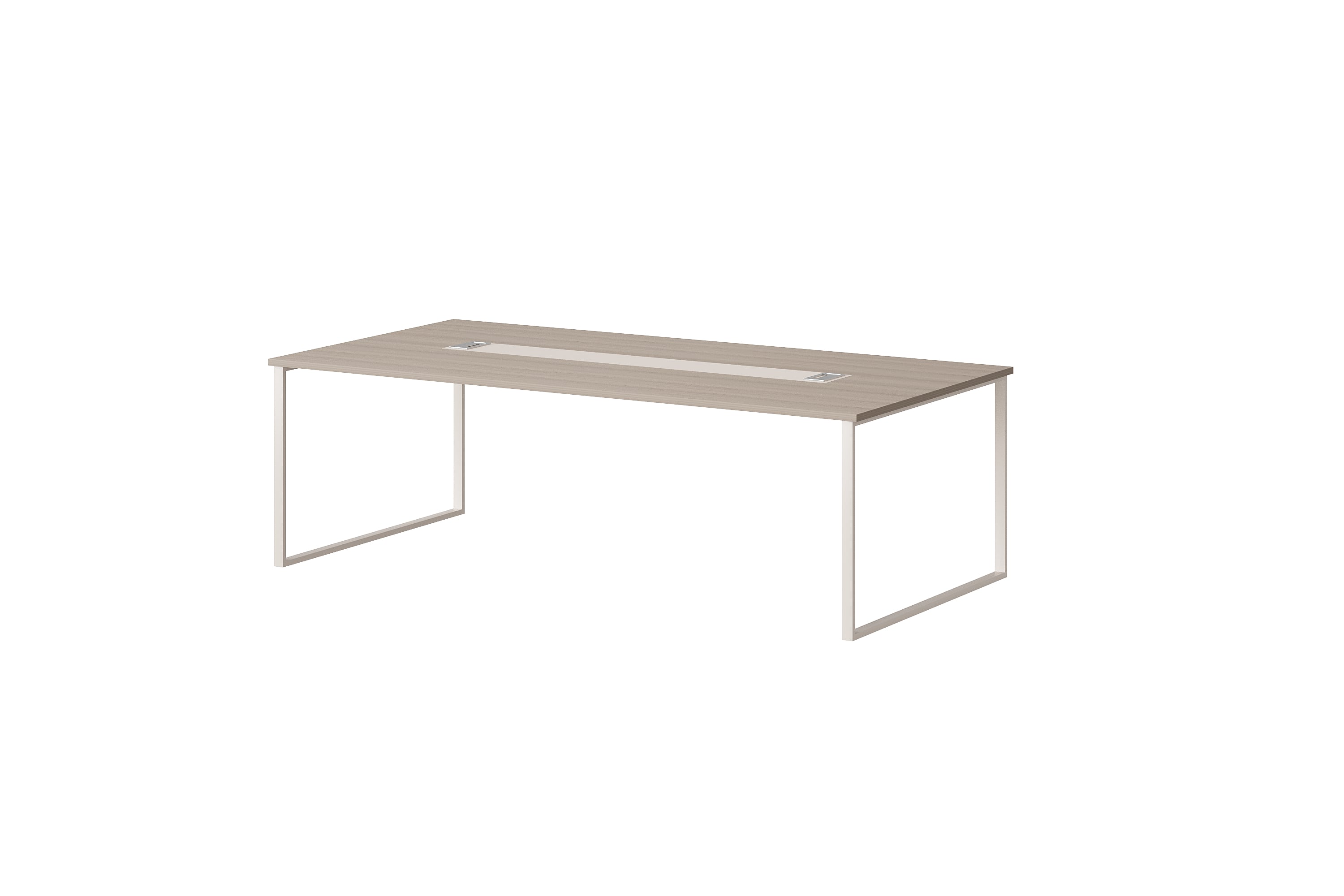
A distributor’s showroom enquiry should explain what each selected furniture item is meant to demonstrate. A striking desk, a meeting table and a storage cabinet may all look suitable in photographs, yet answer different customer questions. Defining those roles gives the supplier a clearer basis for discussing the proposed display and its quotation.
The method below is a buyer’s planning aid for panel-style office furniture. It does not describe an existing BG showroom project, an approved display package or a prediction of sales. Use it to identify the furniture and information you need before placing a display order.
1. Begin with the questions visitors need answered
List the purchasing decisions you expect visitors to discuss. Examples include comparing a desk’s visible layout, understanding the relationship between a work surface and storage, or viewing a meeting table’s overall shape. Keep the questions specific enough to connect to a physical item.
Then distinguish what a visitor could observe from what your sales team would need to explain using confirmed documents. A display may show the appearance of a finish, but a photograph or showroom view alone cannot establish material composition, performance or the options available for another order.
2. Give every proposed model a defined role
Assign a primary purpose to each shortlisted model. One item might introduce an executive desk layout; another might support a discussion about meeting furniture. Two visually similar items need a clear reason for occupying separate display positions. If that reason is an unconfirmed feature, keep it as an open question.
For catalogue references, the BG-2605 executive desk and BG-2587MT meeting table can be considered against different display roles. These examples identify separate products, not a recommended package or items already ordered by a distributor. Confirm the exact configuration and quoted components for each selection.
3. Complete a short product-role card
Use the following blank card for each proposed display item. It connects the customer question, physical product and supporting information without turning an attractive image into an unsupported sales claim.
| Role-card field | Buyer entry or question |
|---|---|
| Display purpose | [The customer question this item should help explain] |
| Product reference | [Selected model, configuration and reference image] |
| Visible demonstration | [What visitors should be able to see on the selected item] |
| Supporting information | [Dimensions, finish references or other evidence still needed] |
| Enquiry status | [Proposed display quantity, unresolved question and reviewer] |
A cabinet’s display role might be to discuss how storage relates to a desk arrangement. That does not establish its internal layout or usable capacity. Request the relevant configuration details before adding those points to the role card or a showroom label.
4. Match the display explanation to its evidence
Prepare a simple information checklist beside the proposed furniture list. Identify which model image, dimension drawing, finish reference and component list your staff would need. Ask the supplier which of these are available for the exact item being quoted. Do not assume that a document for a related model applies to the display selection.
Keep visible characteristics and confirmed specifications separate. A wood-tone surface is an appearance description; it does not establish solid-wood construction. Similarly, a tabletop opening or cover does not prove that a power module is fitted or included. Mark such details as questions until the selected configuration is confirmed.
If chairs, screens or equipment are used to explain the setting, list who will provide them. BG’s furniture enquiry should identify the applicable desk, workstation, table or storage items; surrounding props must not silently become part of its supply scope.
5. Separate display purchasing from later stock planning
Give the initial display enquiry its own quantities and defined units. Record possible future stock requirements separately, with their status clearly stated. A display selection is not evidence of customer demand, a sales forecast or a commitment to reorder.
Ask for an itemised response against the display list, including the configuration, supplied components and unresolved questions. If you want an alternative finish or arrangement, request confirmation rather than describing it as available. Compare the response with each role card so an omitted detail is not hidden by the overall quotation total.
Buyer questions
Should every product category have a display item?
Choose categories according to the customer questions the showroom is intended to address. A shorter, clearly explained selection may be easier to brief than several similar products with undefined roles. This is a planning choice, not a sales guarantee.
Can one item support more than one discussion?
Yes. Record its primary role and any secondary questions it helps illustrate. Each explanation still needs evidence appropriate to that model and configuration.
Does a display model prove that all shown accessories are included?
No. Match the photograph to the quoted component list. Identify separate furniture, styling props and equipment explicitly before confirming the display purchase.
Should future resale stock be included in the display quantity?
Keep it separate unless it is part of the actual request being priced. Label forecast or undecided quantities so the supplier can distinguish them from the proposed display order.
Send an enquiry with a purpose for every item
Contact BG Office Furniture with your selected models, product-role cards and proposed display quantities. Ask for confirmation of the exact configurations and the information available to support their presentation. Keep future stock plans and unanswered product questions visible as separate parts of the enquiry.
Table of Contents
- 1. Begin with the questions visitors need answered
- 2. Give every proposed model a defined role
- 3. Complete a short product-role card
- 4. Match the display explanation to its evidence
- 5. Separate display purchasing from later stock planning
- Buyer questions
- Send an enquiry with a purpose for every item