 EN
EN

A message saying that a cabinet or table is damaged leaves the reviewer with several questions: which item, which part, what can actually be seen and when was it first noticed? A short, organised photo record helps a supplier understand the reported issue without guessing from an isolated close-up.
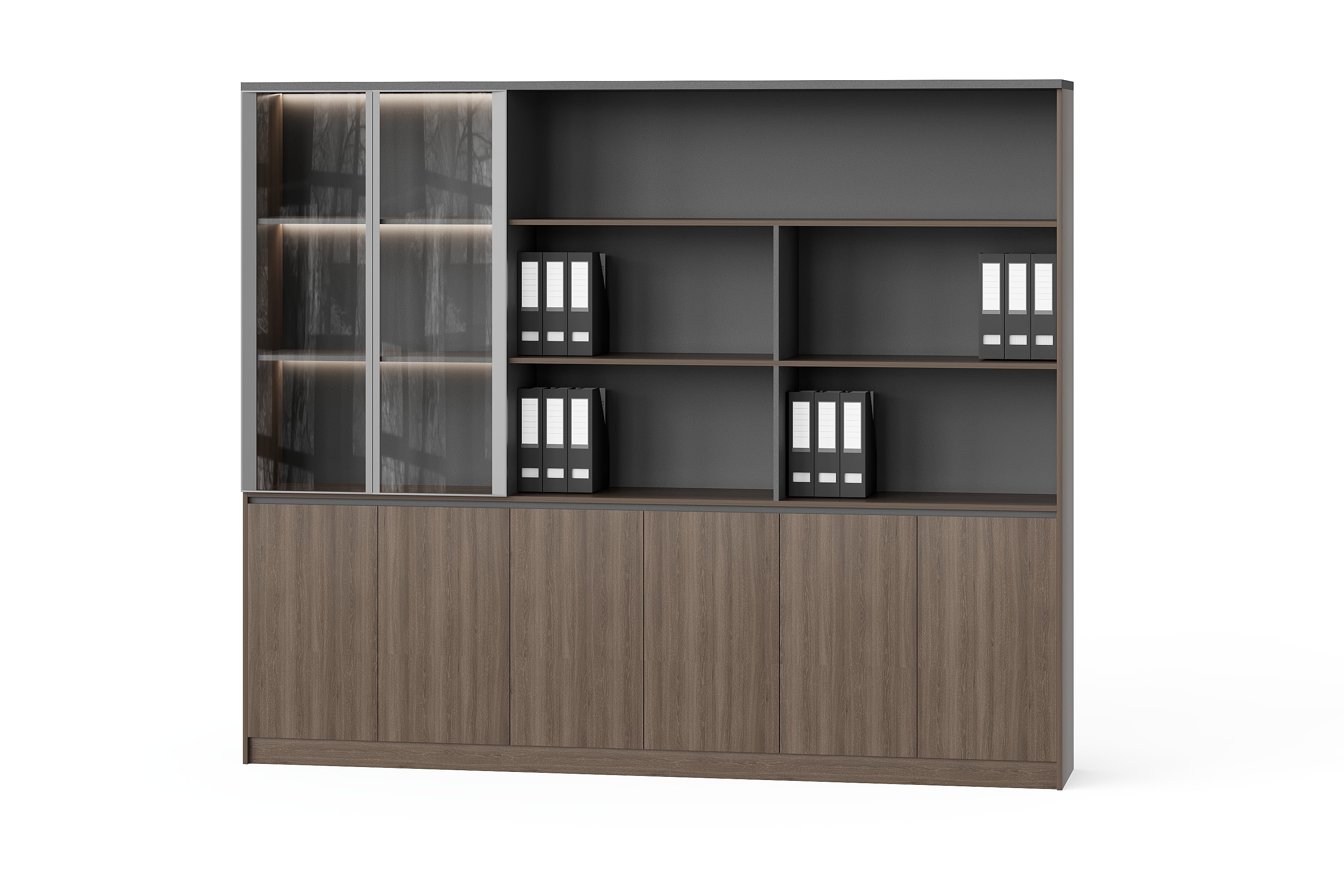
This guide is for buyers documenting an observed furniture delivery issue. It is not a BG damage case, a carrier claim procedure or a promise of a particular remedy. The catalogue furniture shown with this article is an identification example, not evidence of a delivery problem.
1. Identify the item before describing the issue
Incipere ab ordine aut citatione, linea articuli et modello realiter accepto. Servare quaecumque referentia cartonum vel componentium una cum eo. The tabula inscripta cartonum explicat quomodo ista identificativa coniungantur; hic autem finis est ut conditio observata ad unicum articulum specificum referatur.
Referentiae catalogi, ut Cabinetum BG-2619B et BG-2587MT meeting table ad iuvandum in quaerendo disputatione de producto valere possunt. Non autem identificant contenta expeditionis emptoris nec confirmant quod duo partes similes inter se commutabiles sint.
Notare diem, locum et gradum quo primum problema visum est. Distinguere observationem factam ad receptionem ab ea quae post apertionem, translationem aut compositionem fit. Si haec series ignota est, id dicere.
2. Coniungere summam, confectionem et particulam
Use an overview to show the relevant item or package, a readable label view to establish identity, and a closer view to show the reported area. Add a view that makes the position clear: a close-up of an edge alone may not tell the reviewer which edge of which component is involved.
Where packaging information is relevant and available, show the condition and arrangement actually observed. Do not recreate an earlier packing arrangement and present it as the original condition. Note if the item had already been removed, moved or unpacked before the photographs were taken.
Exempli gratia UPS's US supporting-document guidance asks for views of the item with its packaging, the shipping label and the package exterior. This illustrates why context matters. Follow the requirements of the actual supplier, carrier or insurer involved; this article does not assume UPS carried a BG shipment.
3. Keep one issue record with a short photo index
Ute blankam structuram infra pro singulis distinctis rebus et quaestionibus. Intrationes sunt campos ad complendos, non descriptio realis clientis distributionis.
| Campus annotatus | Quid includere |
|---|---|
| Identitas rei | Ordo linea, modello et observata cartonum vel componentis referentia. |
| Contextus observationis | Dies, locus et gradus ubi quaestio primum notata est. |
| Positio nuntiata | Area affecta, coniuncta ad photographiam generalis aspectus. |
| Index photographiarum | Nominia filorum et brevis descriptio quid unaquaeque visio ostendat. |
| Facts and gaps | What was observed, affected quantity checked and information still unknown. |
| Review request | The clarification or next-step guidance requested from the responsible contact. |
4. Preserve original files and separate facts from conclusions
Keep the original image files. If arrows or labels help explain the position, put them on a separate marked copy and link it to the original. Avoid filters, retouching or generated details that change the appearance being reviewed. A clear annotation identifies an observation; it should not conceal surrounding context.
Describe visible facts before suggesting a cause. For instance, identify the observed area and the relevant photograph rather than declaring who caused it. If measurements are included, state what was measured and how. Do not infer material, severity or a hidden defect from a photograph alone.
5. Ask for a specific review and keep the response attached
Mitte die Problemakte, ausgewählte Fotografien und relevante Auftragsreferenzen durch den vereinbarten Geschäftskanal. Frage, welche zusätzlichen Ansichten oder Dokumente benötigt werden und was die zuständige Partei als nächstes empfiehlt. Behalte die Antwort mit derselben Akte, damit ein anderer Kollege den Austausch nachvollziehen kann.
Bestätige jede vorgeschlagene Reparatur, Ersatzlieferung, Rücksendung oder weitere Inspektion gesondert, bevor du sie als vereinbart betrachtest. Die bloße Einreichung von Fotografien begründet weder Verantwortlichkeit, Gewährleistungsdeckung, Kostenzuweisung noch eine akzeptierte Abhilfemaßnahme. Nutze die jeweils geltenden kaufmännischen und Berichtsvereinbarungen für solche Entscheidungen.
Quaestiones Emptoris
Reicht eine Nahaufnahme aus?
Meistens ist Kontext erforderlich. Gib eine Möglichkeit an, das Artikelstück zu identifizieren und den gemeldeten Bereich zu lokalisieren; frage dann, ob der Prüfer zusätzliche Ansichten benötigt.
Belegen Fotografien den Zeitpunkt des Auftretens des Problems?
Sie zeigen den Zustand, der bei einer bestimmten Beobachtung festgestellt wurde. Dokumentiere stattdessen die bekannte Abfolge und etwaige Lücken, anstatt eine Fotografie als Beweis für ein nicht beobachtetes Ereignis darzustellen.
Can several affected items share one report?
Use a shared order reference if helpful, but identify each item and its photographs separately. Do not assume every item has the same condition because one was checked.
Does submitting photographs confirm a replacement?
No. Request review and record the response. Any remedy, scope, cost or timing needs separate confirmation under the applicable arrangements.
Prepare a report another person can follow
Contact BG with the relevant furniture reference , a concise description and a traceable photo index. Keep the observed facts, unanswered questions and requested next step together.
Index Rerum
- 1. Identify the item before describing the issue
- 2. Coniungere summam, confectionem et particulam
- 3. Keep one issue record with a short photo index
- 4. Preserve original files and separate facts from conclusions
- 5. Ask for a specific review and keep the response attached
- Quaestiones Emptoris
- Prepare a report another person can follow