 EN
EN

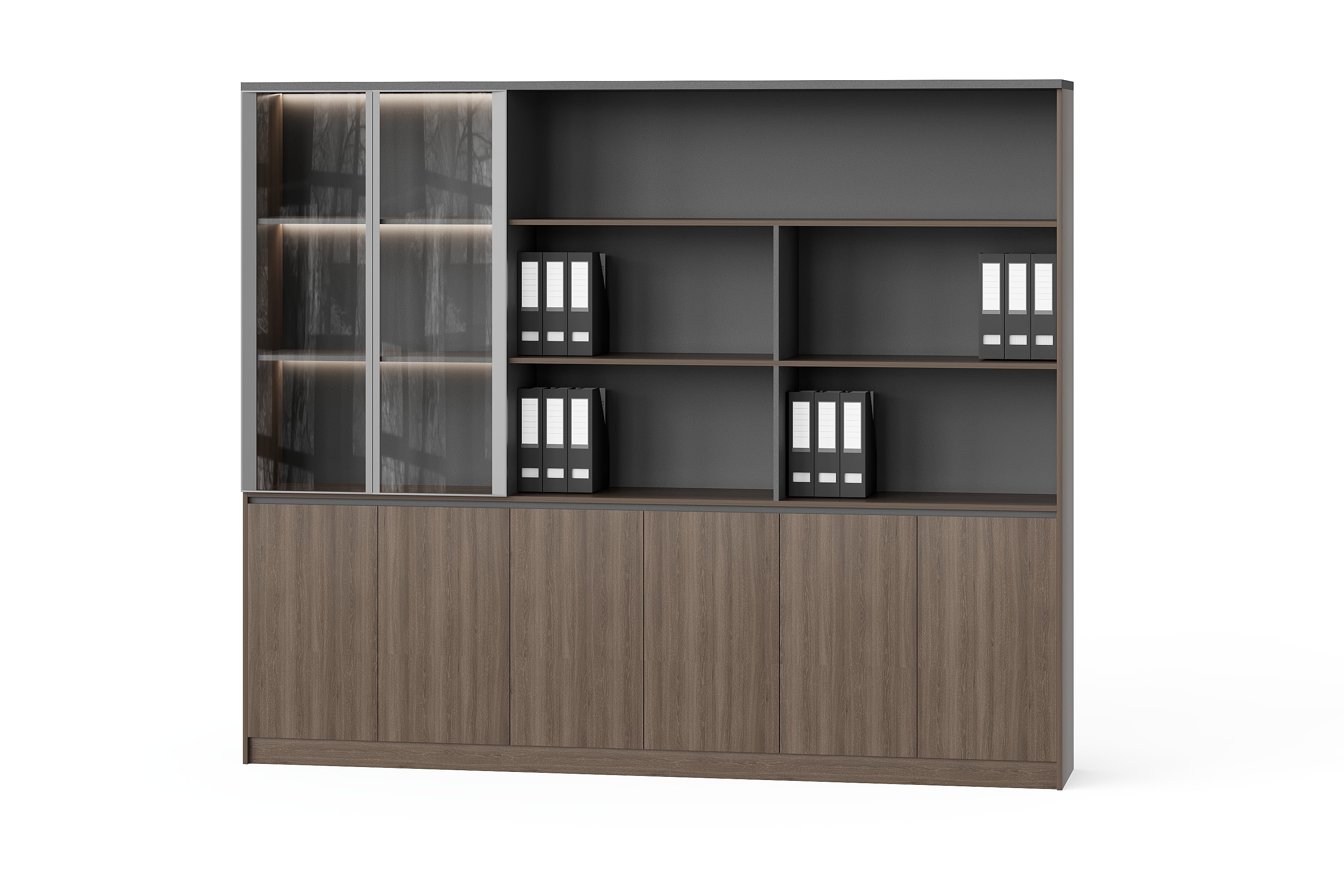
A message saying that a cabinet or table is damaged leaves the reviewer with several questions: which item, which part, what can actually be seen and when was it first noticed? A short, organised photo record helps a supplier understand the reported issue without guessing from an isolated close-up.
This guide is for buyers documenting an observed furniture delivery issue. It is not a BG damage case, a carrier claim procedure or a promise of a particular remedy. The catalogue furniture shown with this article is an identification example, not evidence of a delivery problem.
1. Identify the item before describing the issue
Start with the order or quotation reference, the item line and the model actually received. Keep any carton or component reference alongside it. The carton-label checklist explains how to connect those identifiers; here, the purpose is to tie the observed condition to one specific item.
Catalogue references such as the BG-2619B cabinet and BG-2587MT meeting table can help locate a product discussion. They do not identify the contents of a buyer's shipment or establish that two apparently similar parts are interchangeable.
Record the date, location and stage at which the issue was first observed. Distinguish an observation made at receipt from one made after unpacking, moving or assembly. If that sequence is unknown, say so.
2. Connect an overview, the packaging and the detail
Use an overview to show the relevant item or package, a readable label view to establish identity, and a closer view to show the reported area. Add a view that makes the position clear: a close-up of an edge alone may not tell the reviewer which edge of which component is involved.
Where packaging information is relevant and available, show the condition and arrangement actually observed. Do not recreate an earlier packing arrangement and present it as the original condition. Note if the item had already been removed, moved or unpacked before the photographs were taken.
For example, UPS's US supporting-document guidance asks for views of the item with its packaging, the shipping label and the package exterior. This illustrates why context matters. Follow the requirements of the actual supplier, carrier or insurer involved; this article does not assume UPS carried a BG shipment.
3. Keep one issue record with a short photo index
Use the blank structure below for each distinct item and issue. The entries are fields to complete, not a description of a real customer delivery.
| Record field | What to include |
|---|---|
| Item identity | Order line, model and observed carton or component reference. |
| Observation context | Date, location and stage when the issue was first noticed. |
| Reported position | The affected area, linked to an overview photograph. |
| Photo index | File names and a short description of what each view shows. |
| Facts and gaps | What was observed, affected quantity checked and information still unknown. |
| Review request | The clarification or next-step guidance requested from the responsible contact. |
4. Preserve original files and separate facts from conclusions
Keep the original image files. If arrows or labels help explain the position, put them on a separate marked copy and link it to the original. Avoid filters, retouching or generated details that change the appearance being reviewed. A clear annotation identifies an observation; it should not conceal surrounding context.
Describe visible facts before suggesting a cause. For instance, identify the observed area and the relevant photograph rather than declaring who caused it. If measurements are included, state what was measured and how. Do not infer material, severity or a hidden defect from a photograph alone.
5. Ask for a specific review and keep the response attached
Send the issue record, selected photographs and relevant order references through the agreed business channel. Ask which additional views or documents are needed and what the responsible party recommends next. Keep the response with the same record so another colleague can follow the exchange.
Confirm any proposed repair, replacement, return or further inspection separately before treating it as agreed. Photo submission alone does not establish responsibility, warranty coverage, cost allocation or an accepted remedy. Use the applicable commercial and reporting arrangements for those decisions.
Buyer questions
Is one close-up enough?
Usually it needs context. Include a way to identify the item and locate the reported area, then ask whether the reviewer needs additional views.
Do photographs prove when the issue occurred?
They show the condition captured at a particular observation. Record the known sequence and any gaps instead of presenting a photograph as proof of an unobserved event.
Can several affected items share one report?
Use a shared order reference if helpful, but identify each item and its photographs separately. Do not assume every item has the same condition because one was checked.
Does submitting photographs confirm a replacement?
No. Request review and record the response. Any remedy, scope, cost or timing needs separate confirmation under the applicable arrangements.
Prepare a report another person can follow
Contact BG with the relevant furniture reference, a concise description and a traceable photo index. Keep the observed facts, unanswered questions and requested next step together.
Table of Contents
- 1. Identify the item before describing the issue
- 2. Connect an overview, the packaging and the detail
- 3. Keep one issue record with a short photo index
- 4. Preserve original files and separate facts from conclusions
- 5. Ask for a specific review and keep the response attached
- Buyer questions
- Prepare a report another person can follow