 EN
EN

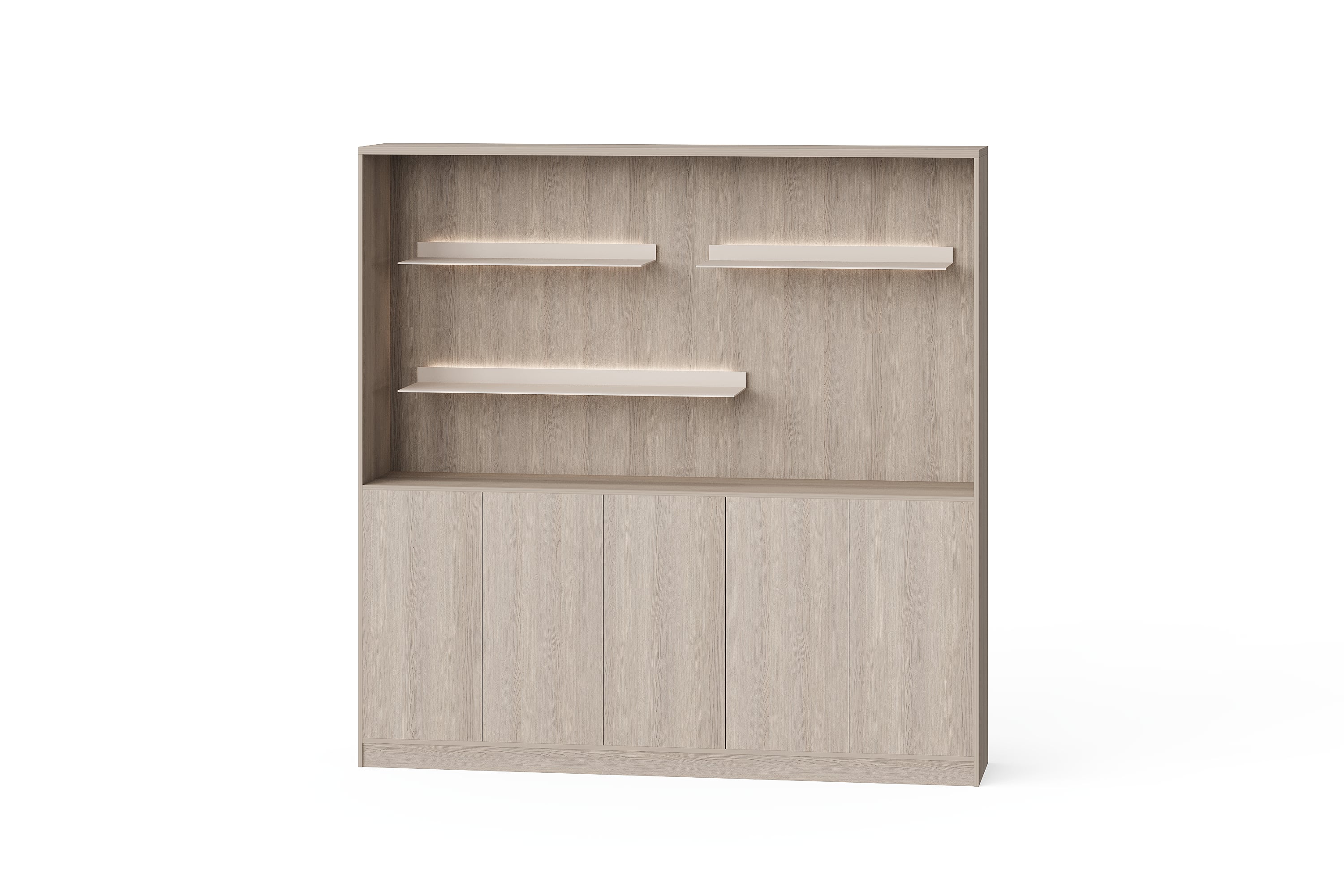
A request for “another fitting like this” can be difficult to answer when the photograph has no connection to a furniture model, order or component location. A useful parts record keeps those references together. It gives the supplier a clearer question to review without treating visual similarity as proof that a replacement will fit.
Use the method below to organise information for office desks, workstations, tables and storage. It is a buyer's identification record, not a BG spare-parts catalogue, an assembly procedure or confirmation that a particular part is available separately.
1. Link the component to the furniture actually purchased
Begin with the original order or quotation line, the model and the supplied configuration. Retain any drawing, component schedule or applicable instruction reference received with that item. If a document has a revision or a supplier has provided a batch reference, record it exactly rather than inventing one.
The BG-2537 executive desk and BG-2606B tall cabinet are examples of distinct catalogue references. A component record should name the relevant furniture item; these two photographs do not establish a common fitting, part number or replacement arrangement.
For several purchases of one model, keep the order references separate until the supplier confirms that the same component applies. A familiar model name or similar finish should not silently merge records from different supplied configurations.
2. Keep supplier identifiers separate from your own labels
Copy an available part identifier exactly, including letters, punctuation and any suffix. Record where it came from: a parts list, an instruction drawing, a label or a written supplier reply. Include the document page or diagram position so another person can find the same reference.
If no supplier identifier is available, use a clearly marked internal tracking label. Pair it with a plain description and its position on the furniture. An internal label helps your team organise questions; it must not be presented as the manufacturer's part number.
For an initial request for instructions and component lists, use the assembly information checklist. The record here preserves the identity of an individual component for a later enquiry, rather than replacing those assembly documents.
3. Make the photographs traceable
Keep an overall view showing which furniture item is involved, a view showing the component's location and an available close view of the component. Give the files the same internal record reference and retain the originals alongside any annotated copies. An arrow on a copy can identify the area without obscuring the original detail.
Record when the photographs were taken and whether they show the actual supplied item or only a reference image. Describe what is visible without guessing the material, thread, dimensions or function. If a relevant marking is unreadable, say so and ask what further information is needed; do not disassemble furniture just to improve a purchasing photograph.
4. Keep one short record per component enquiry
The blank fields below are an administrative template, not an actual BG hardware schedule. Separate the quantity requested from the quantity fitted to the furniture, and leave either unconfirmed when it is unknown.
| Record field | Information to retain |
|---|---|
| Furniture reference | [Order line, model, supplied configuration and available revision reference] |
| Component identifier | [Supplier identifier and its source, or a clearly labelled internal reference] |
| Position and photographs | [Location on the item, overview and close-view filenames, photo date] |
| Observation or request | [What is missing, unclear or required, without assuming the cause] |
| Quantity basis | [Quantity requested and the component each unit means] |
| Supplier confirmation | [Applicable part, compatibility response, availability and unresolved questions] |
Use a separate record for each different component. Combining several unconfirmed fittings under “one spare set” can hide what the supplier is being asked to identify or price.
5. Preserve the answer before placing a parts order
Ask the supplier to connect its reply to your furniture and component references. If it proposes another identifier, retain both the original request and the proposed alternative. Ask whether the alternative applies to the exact configuration, and record any remaining conditions or document changes.
Keep identification, availability and commercial agreement as separate decisions. A component being identified does not confirm stock, price, delivery time, warranty coverage or installation. Request the applicable quotation and responsibilities before treating a parts request as an accepted supply arrangement.
Buyer questions
Can a close-up photograph identify the correct spare part?
It can help explain the request, but it may not establish compatibility. Include the furniture model, order reference, component location and any available supplier identifier, then request confirmation.
What if the original parts list has no number for this component?
Mark the supplier identifier as unknown. Use an internal reference for correspondence and ask the supplier how the component should be identified. Do not invent a catalogue number.
Can one parts record cover all furniture with the same model name?
Keep separate purchase references visible. Ask whether the same component applies to each supplied configuration before combining the records or quantities.
Does an identified part mean it can be purchased separately?
No. Ask about availability and the applicable supply arrangement. Keep that answer separate from confirmation of the component's identity and suitability.
Send a reference that another person can follow
Contact BG Office Furniture with the model, order reference, component record and available photographs. Ask for identification and applicability first, followed by the terms for any available supply. Keep the response with the original record so the next enquiry starts from confirmed information.
Table of Contents
- 1. Link the component to the furniture actually purchased
- 2. Keep supplier identifiers separate from your own labels
- 3. Make the photographs traceable
- 4. Keep one short record per component enquiry
- 5. Preserve the answer before placing a parts order
- Buyer questions
- Send a reference that another person can follow